Key Takeaways
Spa and wellness hotels invest heavily in daytime relaxation but rarely engineer the room for night-time sleep: the two are not the same thing.
The strongest predictors of poor hotel sleep are ordinary: uncomfortable bedding, outside noise, and an un-adjustable thermostat (Robbins, Harvard, 2021).
A single massage relaxes you for hours; a bad night's sleep impairs your mood, focus, and decisions for the next two to three days.
Sleep quality and room price don't reliably correlate: a spa upgrade won't fix a room that's too bright, too warm, or too loud.

Article FAQ
Not necessarily. Spa treatments relax you during the day, but sleep quality depends on the room itself: noise, light, temperature, air, and bedding. A wellness hotel can excel at treatments and still have rooms that sleep poorly.
Usually the room, not you. The common causes are corridor or outside noise, light leaking around curtains, a locked thermostat, and stuffy overnight air, none of which a spa menu fixes.
Yes, but mainly with repeated sessions over time. Research shows sustained massage and spa therapy improve sleep quality; a single hotel massage relaxes you for hours but won't override a poor sleep environment.
Sleep, by a wide margin. One bad night impairs mood and cognition for two to three days, so a poor room can undo a full day of relaxation.
No. Room price and sleep quality don't reliably correlate. An expensive suite on a noisy floor can sleep worse than a modest room that got the fundamentals right.
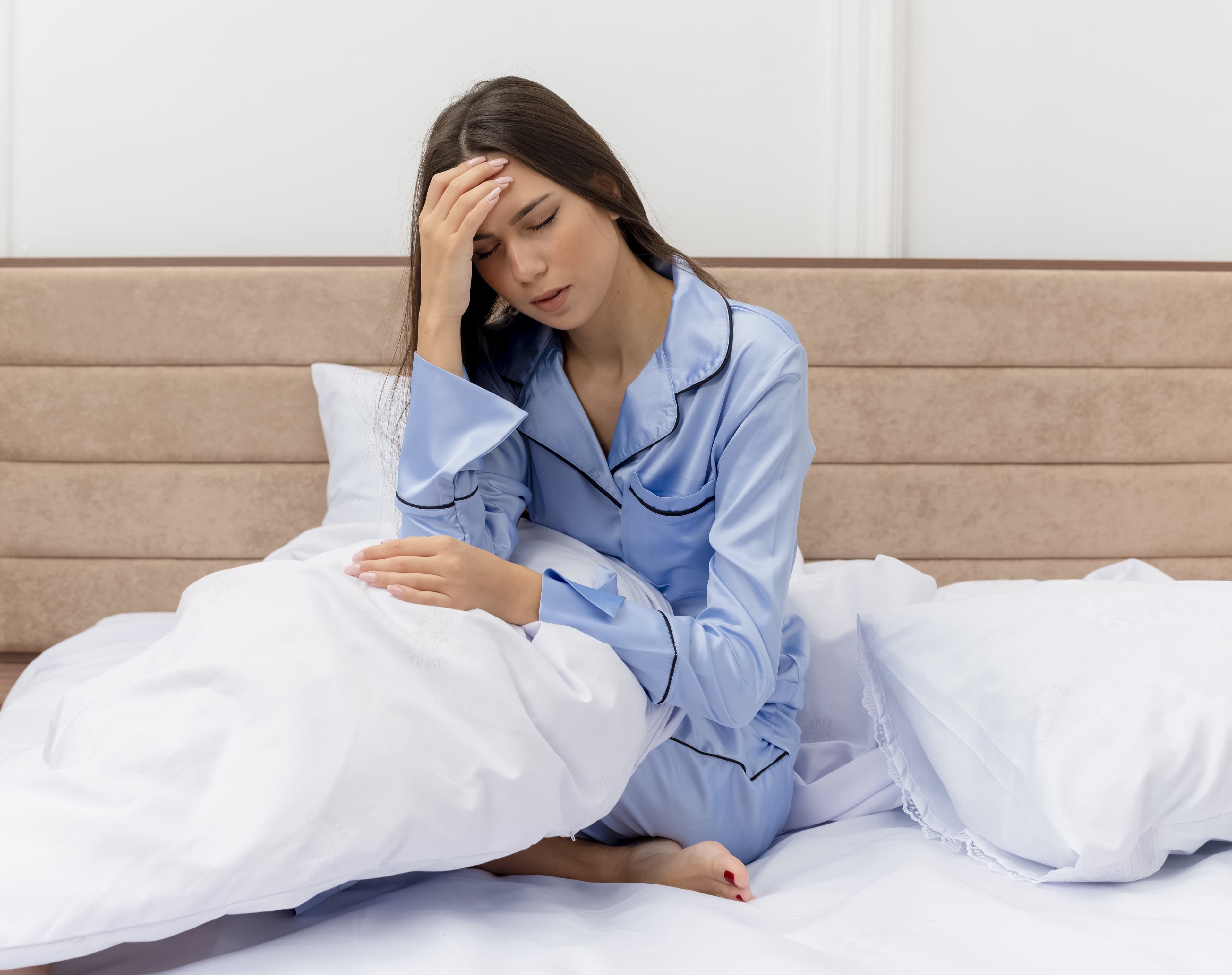
There's a quiet contradiction at the heart of the wellness hotel. You book it to recover. You spend the day being actively relaxed: the massage, the sauna, the cold plunge, the tea that tastes of intention. Then you go to your room, lie down, and your body spends the night doing the opposite of recovering, because the corridor door keeps slamming and the thermostat is locked at 23°C.
Relaxation and sleep feel like the same category. They aren't. A spa treatment is a daytime intervention that lowers stress for a few hours. Sleep is the eight-hour biological process where your body actually repairs itself, clearing metabolic waste, consolidating memory, regulating hormones. Wellness hotels have become extraordinary at the first and, with striking frequency, indifferent to the second.
The recovery you paid for happens at night
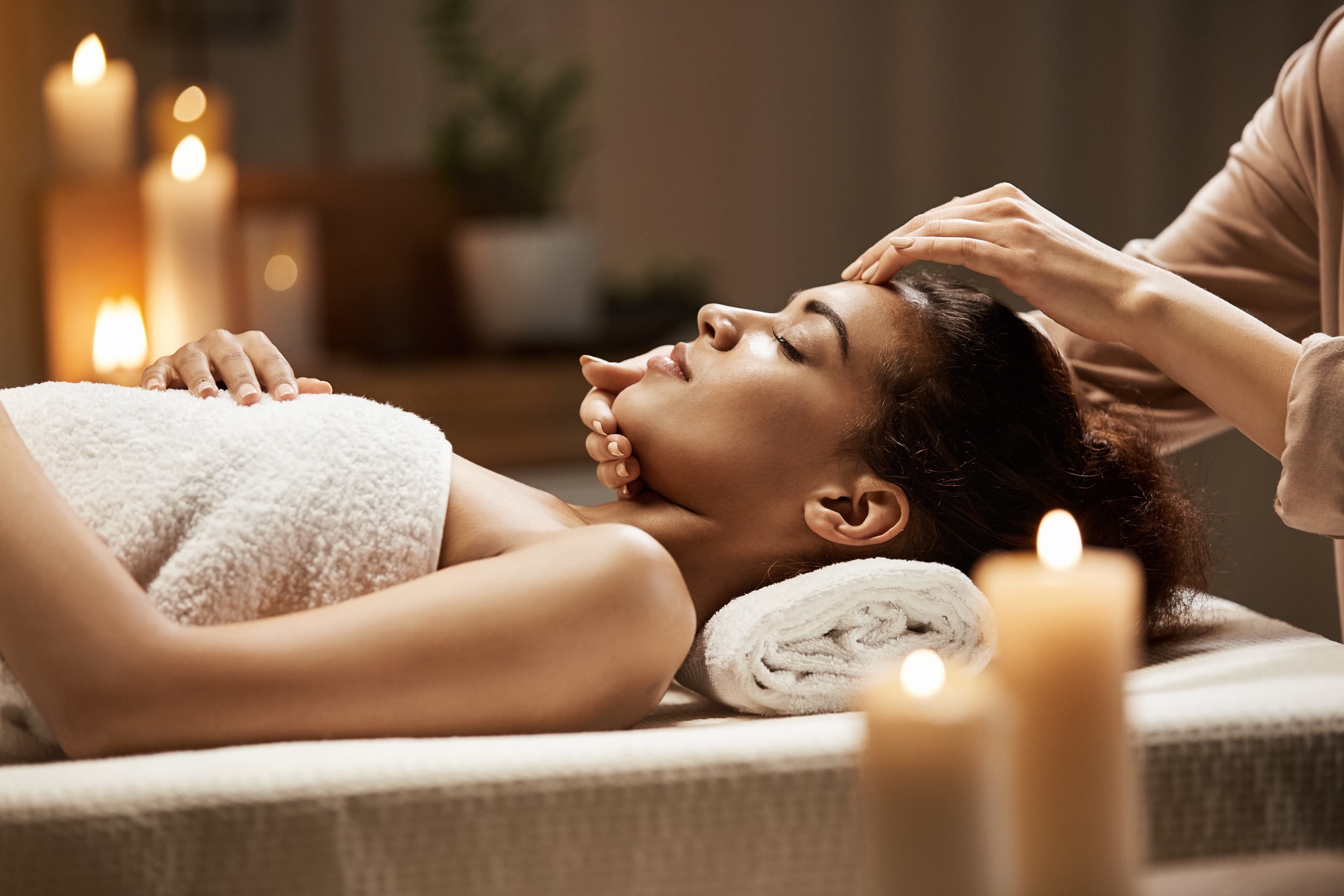
To be clear, the spa isn't snake oil. The science genuinely supports it: a 2024 study of a two-week spa therapy cycle found significant improvements in sleep quality and reduced insomnia severity, and repeated massage therapy has been shown to improve sleep across multiple populations. But notice the word that keeps appearing: repeated. The benefit shows up over a program of sessions, not a single treatment slotted between check-in and dinner.
That's the mismatch. Your resort massage is real and pleasant and lasts a few hours. A bad night's sleep, by contrast, measurably degrades your attention, mood, and decision-making the next day, and the deficit doesn't clear with one lie-in. As Yale Medicine notes, sleep-deprived people take longer to make decisions and those decisions tend to be less accurate, and recovery from a single bad night can take two to three nights. So a resort can deliver a flawless afternoon and then quietly undo it by 3am, when a thin wall converts eight hours of repair into micro-awakenings you won't remember but will feel all day.
The things wrecking your sleep are rarely exotic. When Harvard researchers surveyed frequent travelers, the strongest predictors of a bad night were mundane: uncomfortable bed linens made poor sleep 2.63 times more likely, uncomfortable pillows 2.49 times, outside noise 2.23 times, and a noisy air conditioner 1.57 times. None of that is a spa failure. It's a room-engineering failure, invisible in every booking photo.
Why wellness and sleep drifted apart
Relaxation photographs beautifully; sleep quality doesn't. A spa sells on imagery: steam, stone, candlelight. Sleep quality is made of things you can't see in a brochure: whether the blackout curtains actually meet in the middle, whether the wall to room 304 blocks a conversation, whether you can reach the 15–19°C range the body needs to fall asleep, whether the air is still breathable at 5am after a closed room has spent the night filling with the CO₂ you exhale.
So properties optimize for what sells the booking, and the room becomes an afterthought, sometimes a luxurious one, with a beautiful bed, that still sits beside an elevator shaft. Price offers no protection. An expensive wellness suite on a noisy floor can sleep worse than a modest room that simply got the fundamentals right, which is why the nightly rate is such a poor guide to how you'll feel in the morning.
What actually makes a room restful
The fixes are unglamorous and mostly cheap, which is its own indictment, since a property spending hundreds per guest on treatments often hasn't spent fifty on a door seal. Genuine sleep engineering means blackout that reaches true darkness with no edge leak, acoustic isolation that holds against both the steady hum and the sudden 3am slam, guest-controlled temperature in the cool range, ventilation that keeps overnight air fresh, and bedding chosen for how it sleeps rather than how it photographs. These are the measurable fundamentals that decide whether your body recovers, and they're precisely the fourteen dimensions we score, because a wellness promise you can't verify at 3am isn't really a wellness promise.
None of this means skip the spa. A good massage is a good massage, and over time it genuinely helps. But if you're choosing a hotel to recover, the treatment menu is telling you about your afternoon and almost nothing about your night. The room is where recovery is won or lost, and it's the one thing "wellness" branding consistently forgets to measure.
Sources
- Robbins, R. (2021). The Impact of Hotel Environmental Factors on Sleep Architecture. Journal of Sleep Research, 30(4).
- Costantino, A., et al. (2024). Acoustic Isolation Performance in Luxury Hospitality Environments. Sleep Medicine Reviews.
- American Massage Therapy Association (AMTA). (2024). Massage Therapy and Parasympathetic Regulation in Travel.
- Yale Medicine. (2025). The Clinical Impact of Fragmented Sleep in Non-Home Environments.

Written by Sleep Grade Research
Reviewed and Edited by Elif Polat Çorumlu, PhD
PhD in Neuroscience, Scientist in Residence, Sleep Grade
LinkedIn